
The "card full" moment that kept stalling our shoots
Vy was halfway through a product shoot last month when the camera blinked the message every creative person learns to dread: card full. Not at a convenient pause. Mid-setup, lights warm, the thing on the table looking exactly right for the first time all morning. Then ten minutes of her standing around while a laptop chewed through an offload she'd already done twice that week.
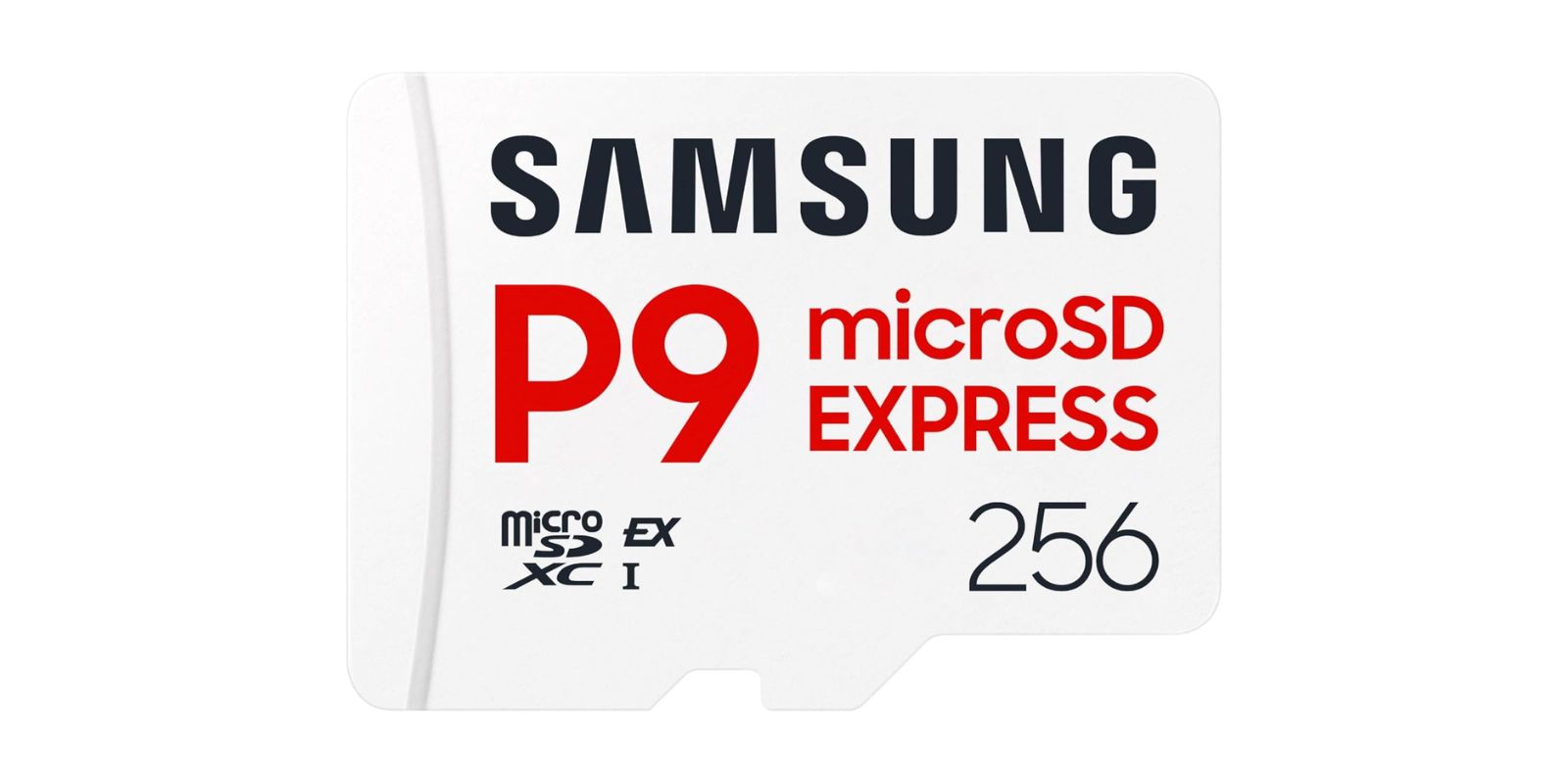
This is the unglamorous part of making content that nobody pitches you on. The team shoots a lot, photos, B-roll, the same hero product from nine angles, and the bottleneck is almost never the camera or the idea. It's the boring middle: getting footage off the card, finding a card that isn't already half full of last week's job, and waiting on a transfer that feels slower every year as file sizes creep up. Vy ended up ordering a Samsung P9 Express mostly out of spite, and it quietly took one recurring annoyance off the table.
A microSD card is possibly the least exciting purchase anyone on the team has made all year. It does not photograph well. It does not start conversations. It removes a small, repeating tax on the day, which turns out to be worth more than most of the gadgets that do photograph well.
Who Actually Needs This
Not everyone, and I want to be clear about that before anyone adds it to a cart. The headline speed here only matters if you have hardware that can actually use it. For a lot of people, a normal fast card is already more than enough and they'd never notice the difference.
- 🎨 People shooting real volume: photo, video, the kind of work where cards fill up in a session, not a year
- 🎮 Nintendo Switch 2 owners (this is the format it was built around) who are tired of deleting games to install new ones
- 💻 Anyone offloading footage daily who feels the transfer wait as a real interruption
- 🧳 Handheld and Steam Deck users who want one big card instead of a drawer full of small ones
What It Gets You
The newer Express format, with the asterisk it deserves
This is a microSD Express card, which is a different and newer standard than the cards most of us already own. Read speeds run up to around 800 MB/s, roughly four times what a standard fast microSD card does. The honest catch: that speed only shows up when the device reading the card also speaks Express. Plug it into an older reader or a phone that doesn't support the format and it still works, it just behaves like a regular card. Buy this for the speed only if you actually have something that can reach it.
256GB that holds a real day of work
For us the capacity matters as much as the speed. 256GB is enough that a full shoot day doesn't end in a panic offload, and enough that the Switch 2 stops playing musical chairs with installed games. There's a 512GB version too if you fill cards faster than you clear them.
It's built not to cook itself
Fast storage runs hot, and hot storage throttles. Samsung put what they call a Dynamic Thermal Guard on this to keep speeds from collapsing once the card heats up during a long session. In practice that's the difference between sustained transfers and a card that starts strong and quietly slows down halfway through a big dump.
The usual brand-software bit
It pairs with Samsung's Magician software for authenticity checks and drive health monitoring. Useful if you want it, ignorable if you don't. Nobody on the team has felt the need to babysit a memory card's health dashboard, but it's there.
💡 Tien's Note
Before you pay for Express speeds, check what your card reader and devices actually support. We almost bought these for laptops that top out at standard microSD speed, where the fast version would have been money spent on a number we'd never see. The card is great. It's only great for you if your gear can keep up.
The Honest Version
4.8 stars across 1,729 ratings, which is high, and it carries Amazon's Choice in its category. For a memory card that's about as clean as feedback gets, since cards tend to attract angry one-star reviews from the rare bad unit. Most buyers report it doing exactly what it says.
What the good reviews say: fast in the right hardware, runs cool under load, plenty of room, and it handles the Switch 2 use case it was clearly designed for without drama.
The real caveats, the ones I'd tell a friend before they bought:
- ⚡ Express is a niche format right now. The speed depends entirely on a reader or device that supports it. Most existing phones, laptops, and card readers do not, and in those it runs at ordinary card speed.
- 📦 For a lot of people a standard fast microSD is genuinely enough. If you're not moving large files often, you may be paying for headroom you'll never touch.
- 🔌 You may also need to buy a compatible Express reader to see the full speed off-device, which is an extra step people forget when the card alone looks like the whole purchase.
- 🗂️ As always with one big card: it's one big card. Lose it or corrupt it and you've lost more at once. We treat fast offloading as the point, not as permission to leave everything on the card for a week.
None of that makes it a bad card. It makes it a specific card for a specific situation, and worth being honest about so nobody buys speed they can't use.
For what a couple of team coffees in Đà Nẵng cost, it took the "card full" moment out of Vy's shoot days, and that moment was costing more time than its size on the desk would ever suggest. That's the whole job we handed it.
As Amazon Associates we earn from qualifying purchases. This comes at no extra cost to you.